Difference between carbon monoxide and carbon dioxide
Strange as it may seem, among laypeople, CO and CO2 are often mistaken for each other. Although distinguished by only one oxygen atom, however, the difference between carbon monoxide and carbon dioxide is substantial. So let's try to clarify things with a small identikit of the two well-known gases!
CO, or carbon monoxide
Also known as the silent killer , carbon monoxide is an odorless, colorless and tasteless gas. Extremely toxic, it originates from the incomplete combustion of organic fuels such as wood, coal, natural gas, etc.
Made up of a carbon atom and one oxygen atom , the monoxide owes its lethality to the ability to bind to hemoglobin, thus poisoning the blood. In fact, if exposed to CO concentrations higher than 35 ppm, nausea, headaches, dizziness, confusion, difficulty breathing, blurred vision and even loss of consciousness and death soon begin to occur.
CO2, or carbon dioxide
Unlike monoxide, carbon dioxide occurs naturally in the atmosphere , and is probably the best known of the greenhouse gases. Made up of one carbon atom and two oxygen atoms, its natural concentration in the air is around 400 ppm, and is the result of natural processes such as the breathing cycle, or combustion activities.
Although carbon dioxide poisoning is rare, its concentration in a room leads to the replacement of oxygen, and therefore to asphyxiation. For example, who has never had difficulty concentrating, drops in performance, or even discomfort in school or university classrooms, meeting or conference rooms, or poorly ventilated homes?
How to protect yourself from carbon monoxide and carbon dioxide
Although, as we have seen, the two gases are significantly different, they could be present together in many places, such as schools, offices, underground car parks, restaurants, production plants, but also in the home.
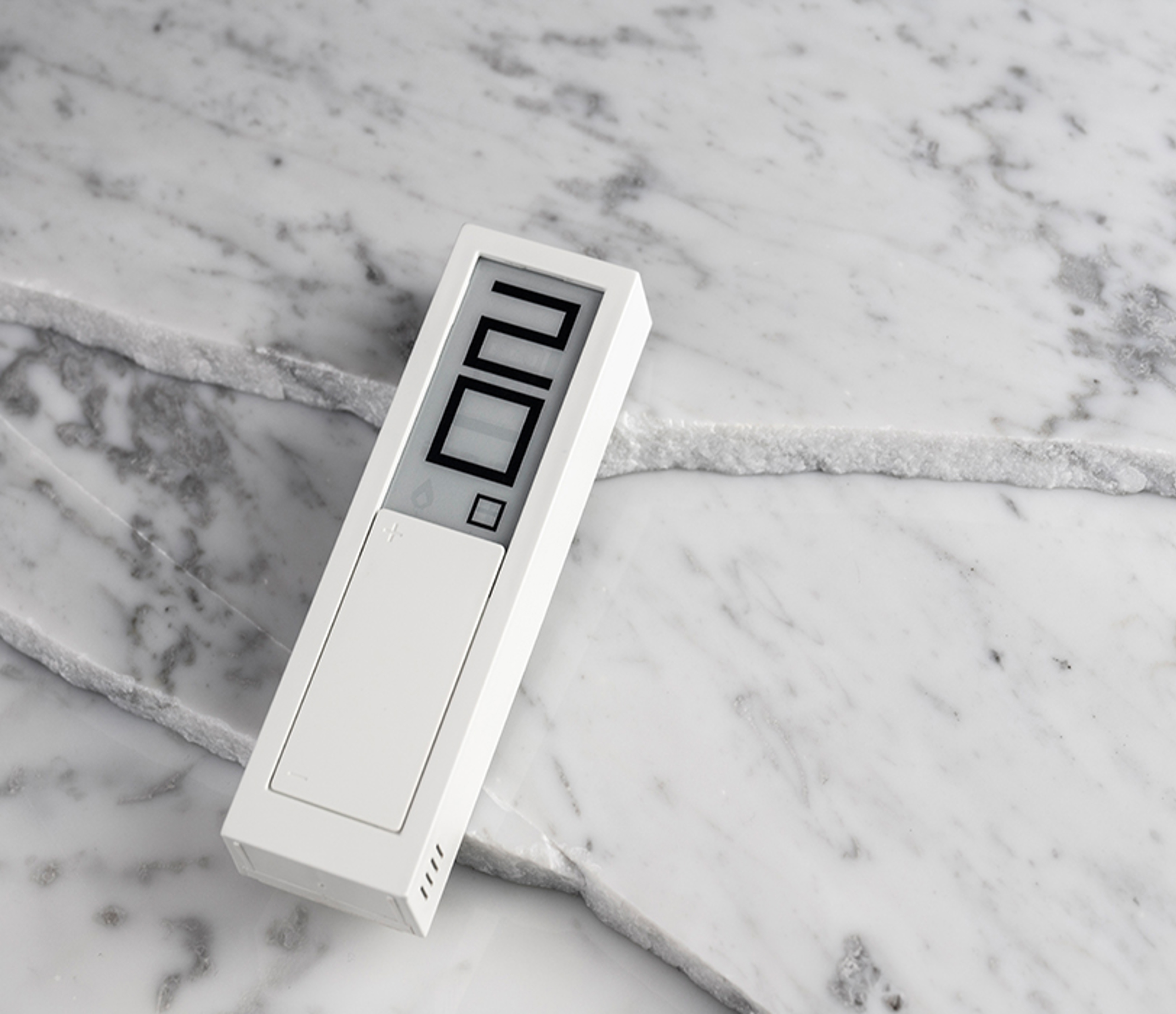
Adopting carbon monoxide and carbon dioxide detectors capable of raising the alarm in the event of dangerous concentrations of these two very subtle gases is therefore a recommended practice even if there is no legal obligation.
We will dedicate the next in-depth analysis to one of our specific products for CO monitoring 2 and on this occasion we will go into more detail on the concentrations of dioxide not to be exceeded to guarantee good air quality.